22 Ways to Save Tax as a Sole Trader in the UK

cartoon sole trader managing taxes and finances with calculator and checklist UK small business

If you are a sole trader, reducing your tax bill starts long before your self-assessment is due.

Too many business owners only think about tax after the year has ended. By then, most opportunities to save tax have already gone.

We work with self-employed business owners across Sussex and Surrey, helping them reduce tax, stay compliant and keep on top of their finances throughout the year.

With upcoming changes under Making Tax Digital, from April 2026, sole traders earning over £50,000 will need to keep digital records and submit updates quarterly. Planning ahead now will make compliance and tax savings much easier.

If you are unsure whether operating as a sole trader is still the most tax efficient option, you can read our guide on Sole Trader vs Limited Company.

If you want to make sure you are not overpaying tax, you can contact us here for a quick review.

Below are 22 practical and compliant ways to reduce your tax, improve cash flow, and stay in control through effective self-employed tax planning.

Reducing Your Taxable Profit

1. Claim Every Allowable Expense

Tax is based on profit, not turnover. Claim all business costs including software, travel, insurance, marketing, and accountancy fees.

2. Use Simplified Expenses

Use HMRC flat rates for mileage and working from home to reduce tax and admin.

3. Claim Use of Home Costs

Claim a portion of household costs or use HMRC simplified rates.

4. Track Small Everyday Costs

Small expenses like subscriptions and stationery reduce taxable profit.

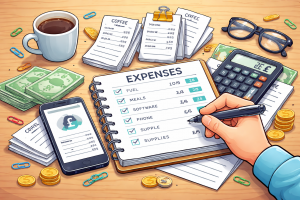
business expenses tracking illustration with receipts calculator and notebook for tax planning UK

5. Buy Equipment Before Year End

Purchasing before 5 April reduces your current tax bill.

6. Claim Capital Allowances

Deduct the cost of equipment and tools from your profits.

7. Claim Business Travel Correctly

Mileage, parking, and public transport are allowable.

8. Use Your Personal Allowance Fully

Ensure you use your tax-free allowance each year.

Many businesses miss key deductions. You can also read our guide on allowable expenses.

Managing Your Income and Tax Bands

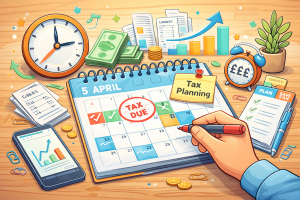
illustration of calendar with tax deadline and financial planning tools on desk

9. Time Your Income Around 5 April

Moving income between tax years is a key part of effective self-employed tax planning, helping you avoid higher tax rates.

10. Spread Income Across Tax Years

Avoid pushing all income into one tax year where possible.

11. Plan for Payments on Account

Forecast future tax to avoid unexpected bills.

Pensions and Long Term Planning

12. Make Pension Contributions

Reduce taxable income while saving for retirement.

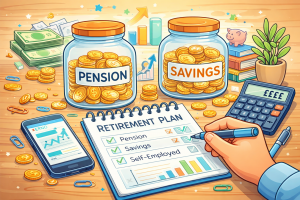
pension and savings planning illustration for business tax reduction and retirement planning UK

13. Carry Forward Pension Allowances

Use unused allowances from previous years.

Loss Relief and Business Strategy

14. Use Loss Relief Effectively

Offset losses against other income or future profits.

15. Review Whether You Should Incorporate

As profits grow, switching to a limited company may improve tax efficiency.

If your profits are increasing, our article on when to switch to a limited company explains when this becomes beneficial.

Cash Flow and Tax Planning

16. Set Aside Tax Regularly

Setting aside a percentage of your income regularly helps avoid large unexpected tax bills. We work with clients across Sussex and Surrey throughout the year to review their accounts and ensure tax is being set aside consistently.

Not sure how much tax you should be setting aside? Get in touch here and we can help you plan ahead.

17. Forecast Your Tax Position

Reviewing your tax position regularly allows you to plan ahead rather than react at year end.

18. Keep Accurate Digital Records

Up to date bookkeeping for self-employed businesses is key to good tax planning. Keeping records accurate and current makes it easier to track performance and avoid missed expenses.

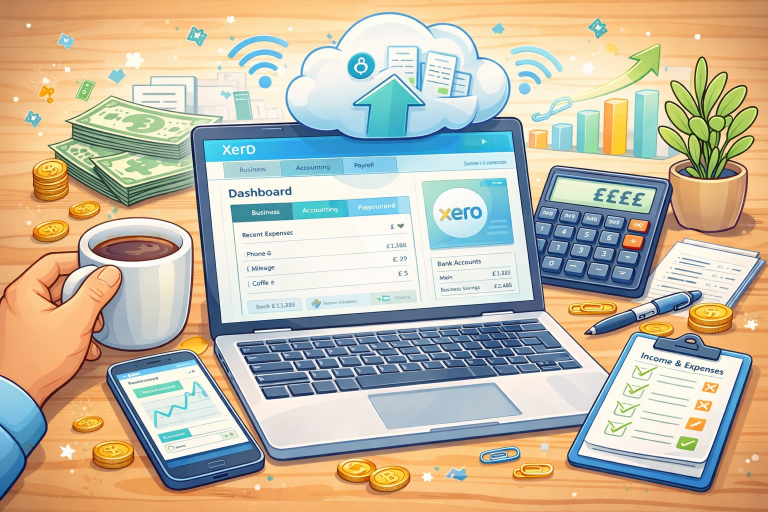
19. Use Cloud Accounting Software Like Xero

Cloud software gives real-time visibility over your finances. We support small business across Sussex and Surrey with their bookkeeping, ensuring records stay up to date, improving cash flow management and making tax planning far more effective.

20. Review Your Tax Strategy Annually

Regular reviews keep your self-employed tax planning strategy efficient as your business grows.

21. Stay Prepared for Making Tax Digital

Digital record keeping and regular updates will become essential, particularly for higher earning businesses from April 2026 onwards.

22. Work With an Accountant Proactively

Ongoing advice ensures your self-employed tax planning remains effective throughout the year, not just at year end.

Frequently Asked Questions

How can a sole trader reduce tax in the UK?

A sole trader can reduce tax by claiming all allowable expenses, using simplified expenses, making pension contributions, and timing income across tax years as part of effective self-employed tax planning.

What expenses can sole traders claim?

Small businesses can claim travel, software, insurance, marketing, office costs, professional fees, and a portion of home expenses if working from home.

What is the most tax efficient way to operate?

The most tax efficient approach is accurate record keeping, full use of allowances, pension contributions, and consistent self-employed tax planning.

Do sole traders need to follow Making Tax Digital?

Yes. **Making Tax Digital is being rolled out, with requirements starting from April 2026 for those earning over £50,000.

When should a business start tax planning?

Tax planning should happen throughout the year, not just before your self-assessment deadline.

Can pension contributions reduce tax?

Yes. Pension contributions reduce taxable income and are one of the most effective tax saving strategies.

Should I become a limited company?

It depends on profit levels and future plans. Many sole traders consider incorporation as profits increase.

You can read more in our full guide on the tax differences here.

Important Information

Tax legislation changes regularly, and the suitability of any strategy depends on your individual circumstances. The guidance above is general information for UK sole traders. Professional advice should always be taken before implementing tax planning strategies.

Need Help Reducing Your Tax Bill?

If you are self-employed and want to improve your tax planning while staying organised and prepared for Making Tax Digital, proactive support makes a significant difference.

We work with clients regularly to review their accounts, provide bookkeeping for sole traders, and ensure tax is set aside consistently, helping you stay in control and avoid surprises.

At Smart Accountants Sussex & Surrey, we support business owners across Sussex and Surrey with bookkeeping, tax planning and ongoing support to improve cash flow and reduce tax efficiently.

Need help applying these tips? Book a free consultation to identify your tax-saving opportunities.